
Sustainable Fashion Garments: Eco-Friendly Clothing for a Stylish and Responsible Wardrobe
Traditional fashion has a huge impact on the environment, including water pollution, chemical usage, and textile waste. Sustainable fashion garments aim to reduce these effects by focusing on:
SUSTAINABLEBLAZE BLOGS
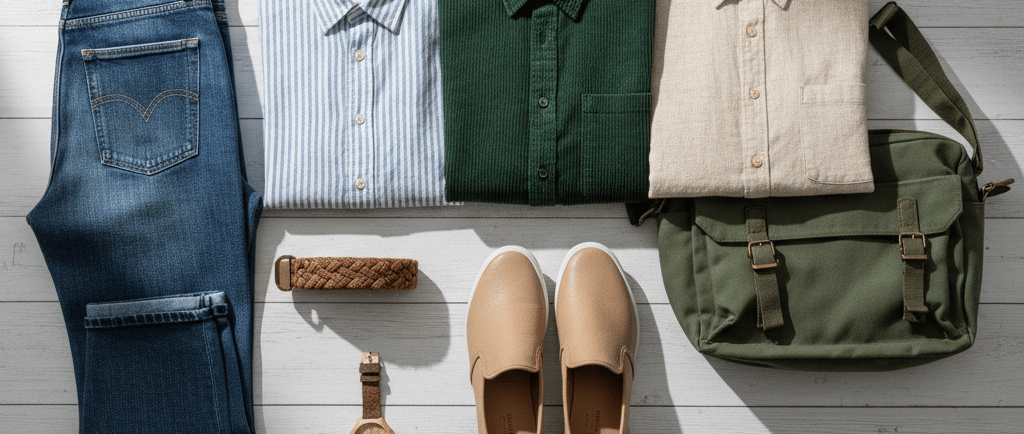
In today’s world, fashion isn’t just about looking good—it’s about making responsible choices. Sustainable fashion garments are designed to minimize environmental impact while keeping you stylish. From eco-friendly fabrics to ethical production, sustainable clothing is becoming a top choice for conscious shoppers worldwide.
Why Sustainable Fashion Matters
Traditional fashion has a huge impact on the environment, including water pollution, chemical usage, and textile waste. Sustainable fashion garments aim to reduce these effects by focusing on:
Eco-friendly fabrics (organic cotton, hemp, bamboo)
Ethical labor practices
Minimal waste production
Energy-efficient manufacturing
By choosing sustainable garments, you are not just upgrading your wardrobe—you’re supporting a better planet.
Top Sustainable Fabrics for Eco-Friendly Clothing
Organic Cotton – Grown without pesticides, soft on skin, highly breathable
Hemp – Durable, biodegradable, naturally resistant to pests
Bamboo – Soft, lightweight, and renewable
Recycled Polyester – Made from plastic waste, reduces landfill pollution
Linen – Natural, breathable, and environmentally friendly
How to Style Sustainable Fashion Garments
Sustainable fashion doesn’t mean sacrificing style. Here’s how to wear it smartly:
Casual Day Out: Organic cotton t-shirts with recycled denim jeans
Smart Casual: Hemp or linen shirts paired with chinos
Layering: Recycled polyester jackets or coats over neutral eco-friendly tops
Accessories: Minimalist, ethically-made watches, bags, and shoes
Benefits of Choosing Sustainable Fashion
Environmentally Friendly – Reduces pollution and resource waste
Healthier for Skin – Less chemical exposure
Ethical Choices – Supports fair labor practices
Long-Lasting Quality – Eco fabrics are often more durable
Common Mistakes to Avoid
Thinking sustainable means expensive—many brands offer affordable eco-options
Ignoring certifications like GOTS, Fair Trade, or OEKO-TEX
Overbuying—focus on quality and timeless pieces, not fast fashion trends
Conclusion
Sustainable fashion garments are the future of conscious styling. By choosing eco-friendly fabrics, ethical brands, and smart styling, you can look good while making a positive impact on the environment. Every small choice counts, and switching to sustainable fashion is a stylish step toward a greener planet.